

Advisory to First Nations · Calgary, Alberta
From the first idea to the community it serves.
Wakiya Solutions is an independent advisor to First Nations. We take a project from idea to the point where it can proceed: shovel-ready for a capital program, or ready to start for a grant that funds the work itself. We leave the community with the skills, tools and knowledge to run it. Sovereignty is the point. Everything else is how we get there.
Step 1 of 5
Assess
Is this real, and is it worth doing? You receive a site and need assessment, an options review, an order-of-magnitude cost, and an honest answer when the answer is no.
Read the five stepsChoose a step on the diagram to see what it covers.
How we work
One accountable process. Five steps, in order, on every engagement.
One contract covers the whole chain, so the Nation is not reconciling the assumptions of four advisors. Not every funder wants a shovel-ready project, so the steps are sized to what the funder asks for.
Where is your project today?
Choose the one closest to where you are, and the steps below show what still applies.
All five steps apply. We start with Assess: is it real, and is it worth doing? A first conversation is usually enough to say what that will take.
We read what exists before redoing anything. If the study holds, we go straight to structure and the model. If it does not, we say so and why.
We build on the structure you have. The model and the money come next, tested against the scenarios that matter to Council and the board.
We can strengthen an application in progress or prepare the next one, and set up the reporting it will commit you to.
We carry it to delivery. Approvals, the utility, community communication, and the reporting the funder or lender expects.
Assess
Is this real, and is it worth doing?
- You receive
- Site and need assessment, options, an order-of-magnitude cost, and an honest answer when the answer is no.
- Decision it supports
- Whether to pursue the project at all.
Structure
What has to exist for the Nation to own it?
- You receive
- The entity, licence, governance and agreements the Nation needs to hold it.
- Decision it supports
- Which body owns it, and on what terms.
Model
What does it cost, what does it earn, what breaks it?
- You receive
- Performance and financial modelling, sensitivities, and a stated basis for every number.
- Decision it supports
- Whether the case holds under the scenarios that matter.
Fund
Where does the money come from, and does it survive an audit?
- You receive
- The right mix of grants, contribution agreements and loans. Applications are our own work, not a referral. Reporting in the funder's or lender's format.
- Decision it supports
- How the project is financed and accounted for.
Carry
Who keeps it moving, and who runs it after?
- You receive
- Permitting, utility and regulator engagement, community communication and project management.
- Decision it supports
- What remains before the project can proceed.
Capacity is not step six
It runs through all five. A Nation person is named to each step and works it alongside us, so the knowledge ends up in the community, not in our files.
- Training. What the named people need to hold the work, including outside courses where that is the honest answer.
- Tools. Models, data, drawings and licences, handed over in a form you can still edit after we leave.
- Mentorship. Named people, through the project, not a handover session at the end.
- Unrestricted reuse. Everything we produce is the Nation's to reuse for the next project or application, without asking us.
Three kinds of money, three different obligations
Most projects use more than one. Knowing what each asks of the Nation is half of choosing well.
Grants
Good for
Planning, programs, training and capital where a program fits. The money does not come back.
What it asks of the Nation
A competitive application, eligible costs only, often a matching share, and reporting on time.
Contribution agreements
Good for
The usual form for federal program money, from studies to construction.
What it asks of the Nation
Spending tied to an agreed budget, often paid against claims, with reports, audit rights, and unspent or ineligible money returned.
Loans, including forgivable ones
Good for
Projects that earn or save money, and gaps a grant will not cover. Some government loans are partly or fully forgiven if conditions are met.
What it asks of the Nation
A project that can carry the payments, including if forgiveness does not come through.
What we work on
What matters to the community.
Wakiya Solutions works with First Nations on what matters to their communities. We plan it, cost it, find the funding, and build the capacity in the Nation to run it. The subject is the Nation's call; the method is ours.
What the work does
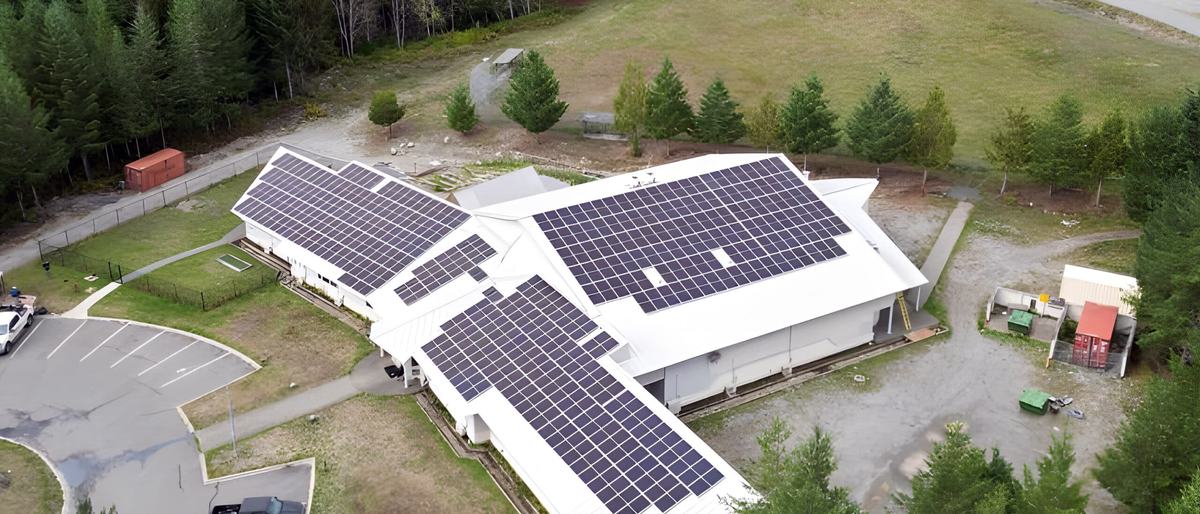
Whatever it is, it does at least one of four things. Work to date has included power generation and storage, community facilities, active transportation and food production.
Who is reading this
You are deciding something. Here is what we put in front of you.
Chief and Council, the administration, an EcDev board and a funder or lender do not need the same page. Here is what each one gets.
Chief and Council
What you are deciding
Whether to commit the Nation's name, land and matching funds to this.
What we put in front of you
One recommendation, the two options rejected and why, the decision needed and the date it is needed by. Never more than one page before the appendix.
CAO or finance
What you are deciding
Whether the numbers hold and whether the claims will survive the funder.
What we put in front of you
Itemised figures, assumptions stated, sensitivities shown, fiscal-year alignment explicit, every number traceable to a source. Quarterly reporting in the funder's format, with anything still outstanding named.
EcDev or development corporation
What you are deciding
Whether this stands up as a business the corporation can run and defend to its board.
What we put in front of you
A commercial case in its own right: revenue, operating cost, staffing, risk. Not a community-benefit case with a budget attached. Explicit about which decisions sit with the board and which with Council.
Community members
What you are deciding
Whether to support this at a meeting, and whether to trust who is doing it.
What we put in front of you
Plain language, scale in something you can picture, what happens next, who to ask, and what has not been decided yet. No acronym without its plain meaning.
Funder or lender
What you are deciding
Whether the claimed costs are eligible, the reporting is defensible and, for a loan, whether the project can carry the repayment.
What we put in front of you
Reporting in your format and cycle, costs tied to eligible activities, variances explained with cause and effect, nothing rounded away. For a loan, the cash flow that services it and progress against any conditions for forgiveness. Section headings that mirror the agreement's own.
Utility or regulator
What you are deciding
Whether this application is complete enough to be worth your technical review time.
What we put in front of you
Complete technical submissions, correct terminology, a realistic schedule, no advocacy language. Engineering by a licensed firm, coordinated by us and identified as theirs.
How the engagement is governed
Clear responsibilities. No hidden assumptions.
A committee spending public money should be able to see how the work is structured, not take it on trust.
Traceable numbers
Every number carries a range, a date and a source. Assumptions are stated where the figure is, not in an appendix.
Reporting you can hand over
Quarterly reports in the funder's format. What we need from the Nation, such as pay statements or financials, is asked for early, and anything still outstanding is named.
One point of accountability
We hold the whole and coordinate the specialists we trust. Work that needs somebody else's licence is done by them and identified as theirs.
Honest limits
A study is professional judgment, not a promise. Approval, funding and savings are never guaranteed, and the agreement says so, with named liability caps and insurance.
What we are not
- Not the decision-maker.We recommend. Council decides.
- Not a vendor.No product line and no sales target. Equipment is sourced on the Nation's behalf.
- Not the specialist.Engineers, environmental and legal specialists are brought in and coordinated by us.
- Not a spokesperson.We do not speak for a Nation, a community, or Indigenous peoples generally.
- Not a keeper of traditional knowledge.What is shared in confidence stays confidential, with no expiry, and is never reused.

Who you deal with
One person accountable from the first conversation until the project can proceed.
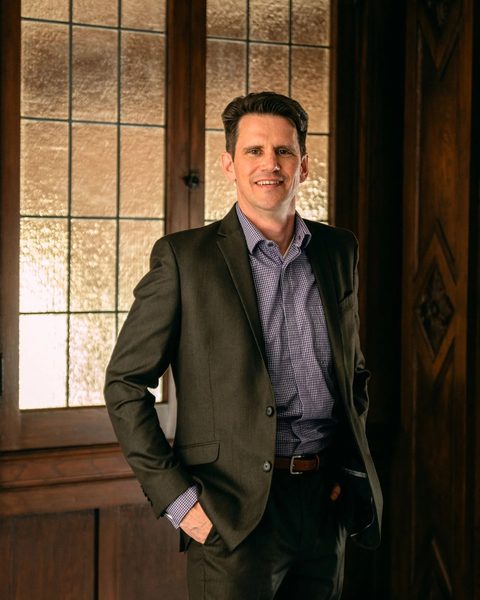
Geordie MacPherson, Consultant
I lead every Wakiya Solutions engagement, bring in the specialists a project needs, and stay accountable for the whole of it.
My job is to give the Nation a clear view of the options, the costs, the risks and the decision ahead, without taking the decision away from Council.
The work should leave the Nation with more than a report: tools you can still edit, people who worked alongside the project from the start, and the right to reuse everything for the next one.
Wakiya Solutions Ltd. is a corporation under the Canada Business Corporations Act with its registered office in Calgary, Alberta. Confidentiality has no expiry: no client name, contract value or community detail appears anywhere public without prior written consent.
Contact
Tell us about your project.
Bring us the idea, the study, or the funded project that needs carrying. An email is enough to start.
Office
Your email reaches the consultant who would lead the work, not an intake desk. First conversations are usually 30 minutes, by phone or video, at no charge and with no obligation. We come to the community when the work calls for it: a site assessment, a Council presentation, a community meeting.